Shelf Life: What Happens When the Discs Outlive the Players

Photo: Jeremy Bolwell , CC BY-SA 2.0, via Wikimedia Commons
There's a shelf in a lot of American basements right now holding thousands of dollars' worth of Japanese DVDs — at least, that's what the owner paid for them. Ask what they'd fetch today and the honest answer is: probably nothing close.
The physical media crash in JAV didn't arrive with a bang. It arrived the way most obsolescence does — gradually, then all at once.
The Streaming Pivot Changed Everything
Japanese studios spent years treating discs as the primary product, with rental shops and collector editions driving a robust physical market. Then digital distribution and subscription platforms took over the revenue picture, and the math flipped. Digital releases are cheaper to ship (they don't ship at all), can't be resold, and don't sit in inventory. Studios noticed.
The consequences for collectors have been rolling in: discontinued physical lines, fewer deluxe pressings, and a shrinking pipeline of new titles worth owning on disc. The back catalog still exists — but it's aging, and nobody's pressing new copies.
The Collector's Dilemma
Talk to Western collectors and you'll hear two competing emotions in the same conversation.
The first is loss. Values that once felt like investments have slid, and the resale market — always thin for adult content — has thinned further. A complete collection assembled over fifteen years can be functionally unsellable, both because demand collapsed and because the platforms that once facilitated discreet sales have tightened up.
The second is a stubborn, almost defiant attachment. Physical discs don't get geo-blocked, delisted, or re-edited. Studios pull titles from streaming with regularity; a disc on your shelf answers to no one. For fans burned by disappearing content, the plastic was never about resale value. It was about ownership in a digital world that keeps revoking it.
The Hardware Problem Nobody Budgeted For
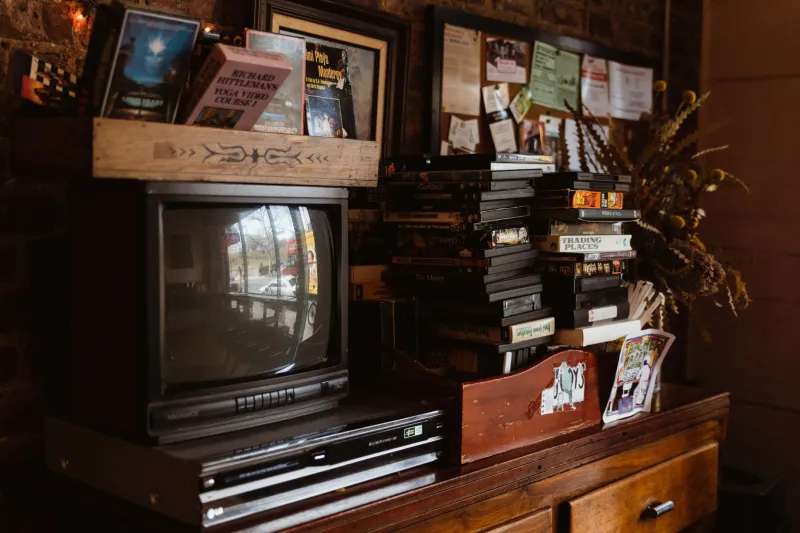
Here's the part that should genuinely worry the archival-minded: the discs may outlast the machines that play them.
Blu-ray players are still easy to find. DVD drives in computers? Increasingly rare. Region coding adds another layer — Japanese discs are Region 2, so US collectors already navigate hardware workarounds. In twenty years, playing a regional Japanese DVD may require a small museum of obsolete electronics, kept running by hobbyists and spare-parts scroungers.
Junk or Gold?
So which is it? The honest answer is: both, depending on what you own.
Mass-market pressings of widely available titles are probably headed for landfill economics. But the collector's market has always run on scarcity, and scarcity is being manufactured in real time. Out-of-print limited editions, early pressings of iconic performers' debuts, complete box sets from discontinued lines — these are already behaving like niche collectibles, trading in small, dedicated communities where provenance and condition matter.
The American analog is useful here. VHS horror collectors watched their format die, then watched it resurrect as the ultimate collector's medium. The lesson wasn't that physical media wins. It's that death is often what makes something collectible.
If your shelf was an investment portfolio, it's time to reset expectations. If it was an archive, keep it — and maybe keep a working player in the box alongside it. The discs might just outlive everything else, including the platforms we assumed were permanent.