Synthetic Faces, Real Harm: The AI Deepfake Problem JAV Performers Can't Escape
There's a version of this story that sounds like a tech explainer. AI gets smarter, bad actors use it, platforms scramble to respond. But when you're talking about real performers having their likenesses hijacked to create sexual content they never agreed to, this stops being an abstract policy debate pretty fast.
Deepfake technology has been around long enough that most people have at least a vague sense of what it does. But in the JAV world, its impact has grown into something genuinely alarming — and the response from platforms, legal systems, and even fan communities has been, at best, uneven.
What's Actually Happening
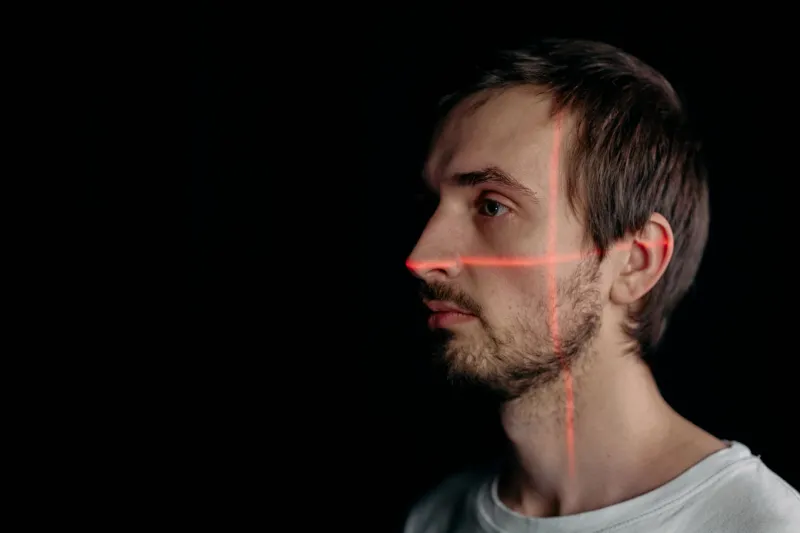
The mechanics aren't complicated, which is part of the problem. Publicly available AI tools — many of them free or cheap — can now map a performer's face onto existing adult footage with enough realism to fool casual viewers. For JAV performers who have years of publicly accessible content, extensive promotional photo libraries, and recognizable screen personas, they're particularly easy targets. The raw material is everywhere.
The results circulate across piracy sites, Discord servers, niche forums, and even some platforms that technically prohibit the content but lack the infrastructure to catch it consistently. Performers have reported discovering synthetic content featuring their likenesses months or even years after it was first posted — by which point it's already been downloaded, re-uploaded, and redistributed across multiple platforms.
The harm is real and layered. Beyond the obvious violation of consent, deepfakes distort public perception of a performer's actual work, can be used for harassment or extortion, and create a kind of digital identity theft that's almost impossible to fully undo.
Where Platforms Stand — and Where They Fall Short
Major Western adult platforms have made noise about deepfake policies. Some have implemented AI-assisted detection tools. Others rely on community reporting systems. A few have partnered with third-party verification services to flag synthetic content before it goes live.
But enforcement is wildly inconsistent, and the gaps are significant. Detection tools trained on Western content often perform poorly on JAV-specific material, where visual and stylistic conventions differ. Reporting pipelines that work reasonably well for English-language complaints frequently break down when the affected performer is Japanese-speaking and based overseas. And the sheer volume of content uploaded daily across the ecosystem makes proactive moderation feel like trying to bail out a sinking ship with a coffee cup.
Smaller or less regulated platforms — the ones operating in legal gray zones that Western JAV fans know well — often don't even pretend to have meaningful policies. They rely on the same jurisdictional ambiguity that makes piracy enforcement difficult, and deepfake content slips through the same cracks.
The Legal Picture Is a Mess
Japanese law has been evolving on this front, but slowly. Japan updated its defamation and privacy statutes in recent years to better address non-consensual intimate imagery, and there's been some movement toward explicitly criminalizing deepfake sexual content. But enforcement against overseas platforms operating outside Japanese jurisdiction is another matter entirely.
In the US, the legal landscape is fragmented. There's no federal law specifically targeting non-consensual deepfake pornography as of this writing, though several states — California, Virginia, and Georgia among them — have passed their own statutes. The problem is that cross-border cases involving Japanese performers and US-based or internationally hosted platforms fall into a complicated jurisdictional no-man's-land where nobody is clearly responsible and everybody has an incentive to wait for someone else to act first.
For performers, pursuing legal remedies is expensive, time-consuming, and emotionally exhausting. Most simply don't have the resources to sustain it, especially against anonymous creators operating through VPNs and throwaway accounts.
What Western Fans Actually Need to Understand
Here's the part that tends to get glossed over in these conversations: Western fans are part of this ecosystem, and that comes with some responsibility.
Consuming or sharing deepfake content — even casually, even without knowing for certain whether something is synthetic — contributes to the demand that keeps these tools and distribution networks alive. The "I didn't know" defense gets thinner as detection resources become more widely available and as awareness of the issue grows.
There are practical steps that matter. Learning to spot common deepfake tells — unnatural blinking patterns, subtle facial distortion around the hairline, inconsistent lighting on skin tones — isn't foolproof, but it's worth developing. Reporting suspicious content on platforms that have mechanisms to receive those reports actually does something when enough people do it. Supporting performers directly through official channels, rather than through piracy ecosystems where deepfakes circulate freely, shifts economic weight toward accountability.
Fan communities also have collective power here that they don't always use. Forums and Discord servers that take a hard line against sharing synthetic content send a real signal. Those that shrug it off or treat it as harmless fun are actively part of the problem.
The Bigger Stakes
Deepfake technology isn't going to get less sophisticated. The tools will keep improving, the content will keep getting harder to detect, and the gap between platform policy and platform reality will keep being tested. What changes is whether the industry — studios, platforms, fan communities, and legal systems — decides to treat this as the serious harm it is or continues to manage it as a PR inconvenience.
For JAV performers specifically, the stakes are particularly high. They operate in an industry that already navigates complicated questions around consent, labor rights, and public identity. Adding a layer of AI-generated content that they have no control over and limited legal recourse against is a genuine crisis — not a hypothetical one.
The technology exists. The harm is happening. What happens next depends on whether the people with the power to respond decide to actually use it.